
Inmates create art out of limited supplies, but it's also contraband
Featured on dailytribune.com
It’s a masterpiece in toothpaste and toilet paper: Jesus hanging from the cross, sculpted in sharp detail from his gaunt ribcage to the nails in his hands to the inscription proclaiming God’s love for the world. The display case is a plastic evidence bag.
The venue is Minnesota’s Dakota County Jail. The artist was an inmate, by now long gone. Like almost everything prisoners craft surreptitiously in their cells, the footlong sculpture was taken away as contraband.
But jail officials held onto it as a reminder of the creativity that can flourish even in the most restricted environments.
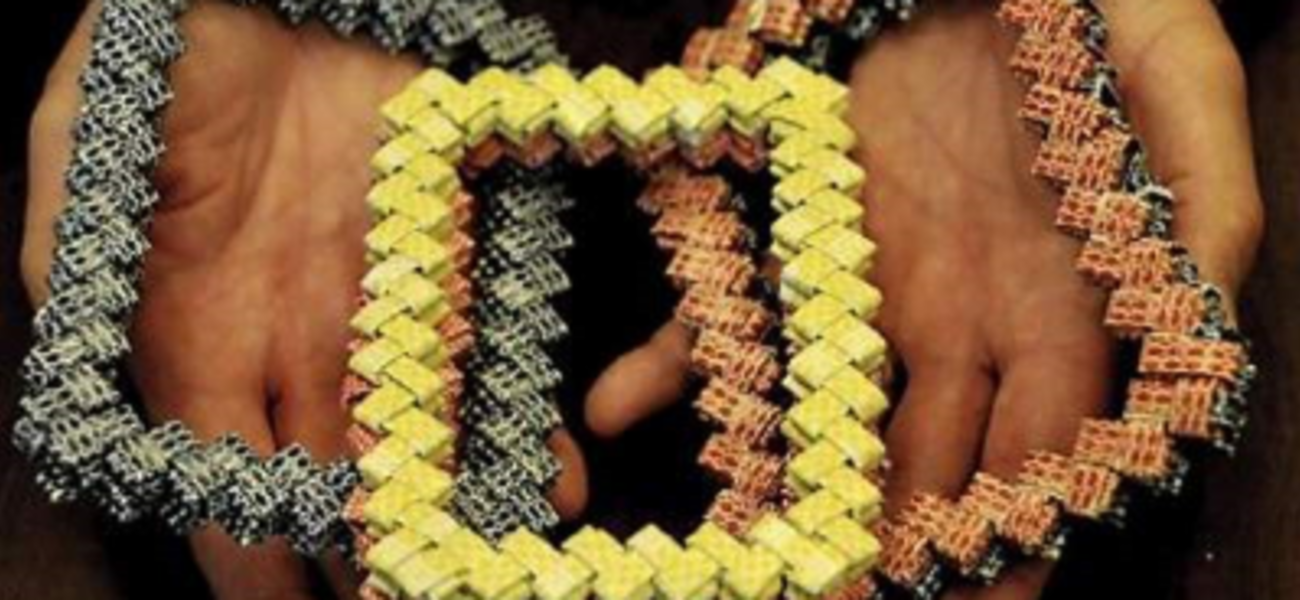
“It’s incredible,” said Loren Hanson, the jail’s programming director, “what they can do with this stuff.”Some items forged over the years are functional: A deck of cards and set of dice made of paper-based pulp, and an array of picture frames made from intricately folded potato-chip bags.
Others have a more artistic flourish, like the sculpture of Jesus or a set of classical comedy and tragedy masks. All are fashioned from whatever odd materials inmates can get their hands on in the course of a very controlled day: candy wrappers, soap shavings, toilet paper mashed together with toothpaste to make it stick together.
One inmate used the lining of his jail-issued tennis shoe to make a cribbage board.“It’s limited to what they have contact with,” said Dakota County Sheriff Dave Bellows.And all are technically forbidden. In a place where even pencils are tightly controlled and a paper clip can become a lock pick in the wrong hands, jail officials don’t want to risk harmless projects that pave the way for more sinister creations.“Things like this aren’t going to hurt anybody, but what else are they making?” Bellows said.
Still, he said he admires the work even as he confiscates it.“There’s a lot of talent back there,” he said. “The level of artistic talent is really amazing.”He also recognizes the side benefits of crafting: hours spent painstakingly making a sculpture, Bellows said, are hours not spent getting into trouble.
Josh Page, an associate professor of sociology at the University of Minnesota who’s done research on the criminal justice system, said makeshift crafts are part of “a really rich history of improvisation in penal institutions” — from weapons to jury-rigged coffee heaters.
The skill is especially useful in jails, he said, which often lack amenities or stores that sell recreational items to stave off boredom. It’s up to inmates to fill the gaps.“The biggest thing, particularly in jails, is finding something to do,” Page said.
Page, who used to teach junior-college classes at San Quentin State Prison near San Francisco, said inmates might also turn to artistic projects because it’s “something meaningful they can do with their time.”That was Ed Mead’s experience.
An ex-convict who spent 18 years in state and federal prisons for a clash with police during a bank robbery, Mead, 71, now runs an online store where inmates can sell arts and crafts they make while incarcerated.He said the act of creation gives inmates something they can be proud of.“It goes to the self-worth — the feeling that I’ve accomplished something, I’m worth something,” he said. Many items Mead sells through his site, prisonart.org, are traditional drawings and paintings.
Click here to read the full article.