
In 1913, A New York Armory Filled With Art Stunned The Nation
Featured on npr.org
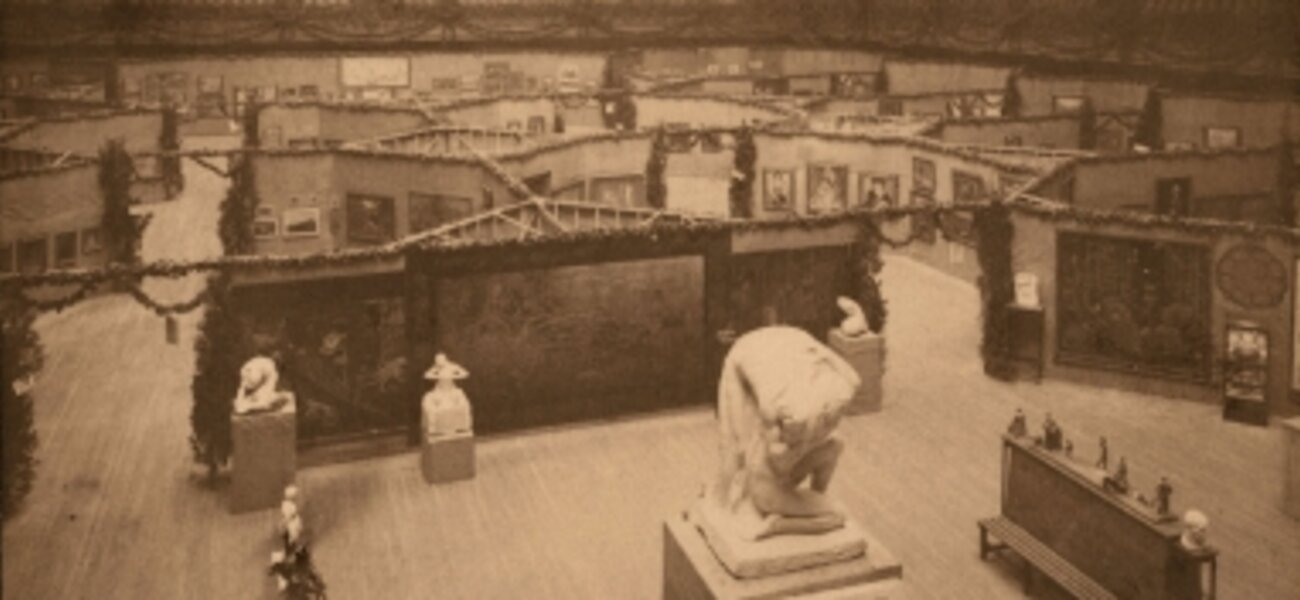
One hundred years ago in New York City, nearly 90,000 people came to see the future of art. The 1913 Armory Show gave America its first look at what avant-garde artists in Europe were doing. Today these artists are in major museums around the world, but in 1913, they were mostly unknown in America.
Boasting 1,400 works — from artists such as George Braque, Mary Cassatt, Paul Cezanne, Edgar Degas, and many, many more — it was the biggest art show New York had ever seen. Today, the New York Historical Society is celebrating the Armory centennial with artworks from the original exhibition.
Normally used to store arms and train troops, the 69th Regiment Armory on East 25th Street was an odd venue, but it was big enough to hold it all. "There were lots of comparisons in 1913 of the Armory Show being a bomb from the blue, so the Armory is not inappropriate," says curator Kimberly Orcutt.
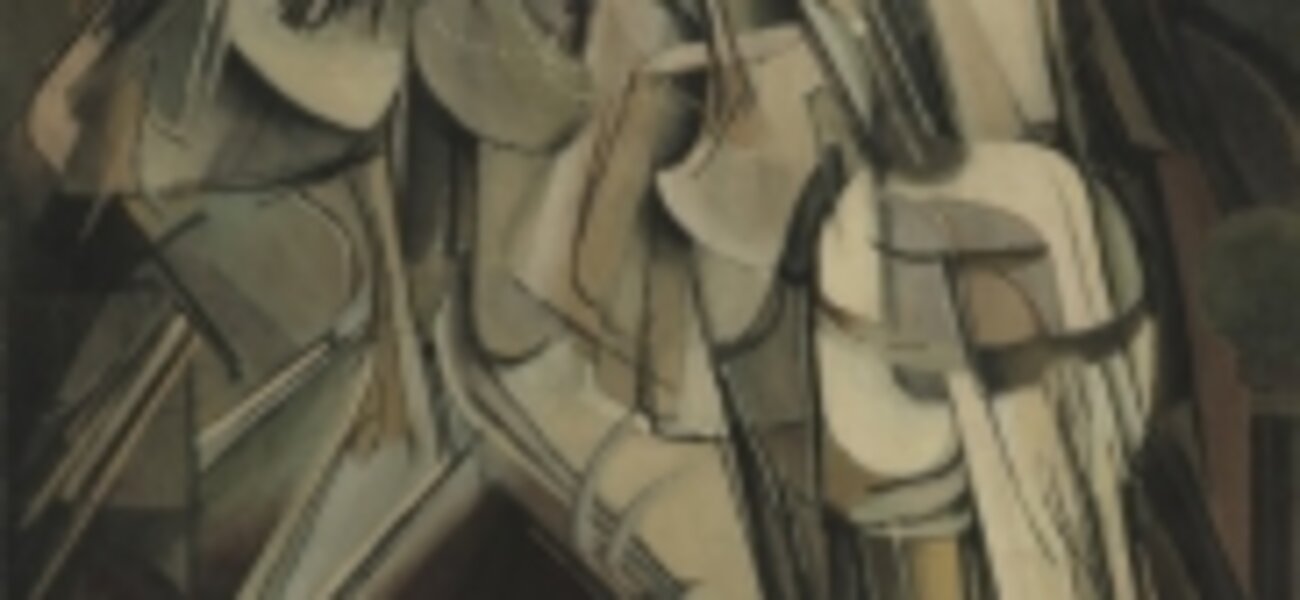
The avant-garde show raised hackles. The most controversial work was Marcel Duchamp's Nude Descending a Staircase. Everyone had an opinion about it, including former President Theodore Roosevelt, who compared it to a Navajo rug he had in his bathroom.
Americans were not used to looking at abstract art. And the Duchamp — painted in ochres and browns a year before the Armory Show, was Cubist — splintering a profile figure so it seems to be in motion. The painting provoked critiques of all sorts, including cartoons and poems.
"It was called a bundle of slats, an explosion in a shingle factory," says curator Marilyn Kushner.
Viewers were puzzled; with all those fragments, where was the nude? But they lined up to see it, and the other avant-garde works. Some 87,000 people came to the Armory show. Rich collectors and dealers had seen such art in Europe, but this was the first time the masses got to see — and react to — the new ideas.
If the Duchamp made visitors puzzled, Orcutt says Matisse's 1907 Blue Nude made people mad. The reclining female nude was a traditional subject, says Orcutt, but it was presented in a "distorted" way: "With blue shadows, with colors that didn't have to do with the representation of nature. And some people considered this sort of a backwards step in cultural progress ... to challenge the very foundations of western civilization. ... She was seen as being very primitive, a threat to the progress they felt that they were making here in the United States."
Click here to read the full article.